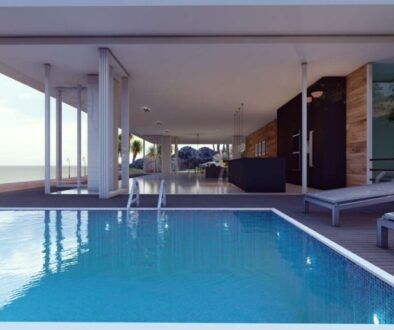
Why Driving Distance Directly Impacts Buyer Profit Margins
Understanding how driving distance affects buyer profit margins is essential for stakeholders in the pool service industry. This blog post will explore the correlation between operational logistics and profitability, providing insights into how effective route management can significantly enhance business success.
Why Driving Distance Directly Impacts Buyer Profit Margins
In the pool service industry, understanding the intricacies of operational efficiency is vital. One of the most significant factors affecting profitability is driving distance. The distances that service providers must travel to service their clients can significantly influence their overall profit margins. This article will delve into why this aspect matters, how it can be strategically managed, and the considerations that potential buyers should keep in mind when purchasing pool routes.
Driving distance plays a crucial role in the operational costs of a pool service business. The longer the distances traveled, the higher the fuel, labor, and maintenance expenses, which can diminish profit margins. Additionally, the time spent driving instead of servicing pools directly translates to lost revenue opportunities. For entrepreneurs seeking to invest in pool routes, understanding these dynamics is essential for making informed decisions.
The Cost of Mileage: Analyzing Driving Distance
One of the primary expenses in the pool service industry is transportation. According to studies, service-related businesses often report that transportation can account for up to 20% of operational costs. This percentage is heavily influenced by the distances technicians must travel to reach clients. For instance, if a pool service route encompasses neighborhoods spread out over vast distances, the costs associated with travel can rapidly accumulate.
Imagine a scenario where a technician must cover 50 miles per day instead of 20. The additional mileage leads to increased fuel expenses and maintenance costs for the vehicle, which can eat into potential profits. By analyzing driving distances carefully, business owners can better gauge the profitability of potential acquisitions.
Investors should also take into account location density when considering the purchase of a pool route. Routes with clusters of service locations can reduce driving distance significantly, thereby maximizing efficiency and minimizing costs. This strategic consideration can enhance overall profitability and attractiveness to potential buyers.
Time is Money: The Impact of Service Efficiency
In the pool service industry, time management is critical. The saying “time is money” holds particularly true when considering driving distances. Every minute spent on the road is a minute not spent on servicing pools or acquiring new clients. Consequently, driving further distances can lead to reduced service capacity, limiting the number of pools serviced in a given day.
For example, a pool technician who can service three pools in a neighborhood within a short driving distance can potentially service one or two additional pools versus a technician traveling to more remote areas. This difference can significantly affect revenue generation.
Moreover, clients appreciate timely service. A business that can operate efficiently with shorter driving distances often garners better customer satisfaction, leading to customer retention and referrals. In this sense, driving distance directly affects not only profit margins but also the growth potential of a pool service business.
Companies like Tower Business Brokers, Inc. specialize in providing established routes that often come with optimized driving distances. By purchasing a route that is already successful and efficient, new buyers can leverage existing operational insights to enhance their profitability.
Market Analysis: Geographic Considerations
When purchasing pool routes, location becomes a pivotal factor. In areas where pools are prevalent, such as Florida and Texas, the driving distances between residential areas can greatly vary. In urban settings, routes can be tightly packed, allowing for greater efficiency. Conversely, in rural regions, technicians might face longer drives, leading to increased operational costs and lower profit margins.
A market analysis is essential before committing to a purchase. Buyers should evaluate the geographic distribution of pools within the target area, assessing not only potential driving distances but also factors like traffic patterns, seasonal demand, and local competition.
For instance, a pool route in a suburban area with a high concentration of pools may offer better profitability than one located in a more sparsely populated region. Moreover, understanding the local market can help determine the ideal price point for the acquisition, ensuring buyers make a sound investment.
Best Practices for Managing Driving Distances
For pool service business owners looking to optimize their operations, efficient route management is key. Here are some best practices to consider:
- Utilize Route Optimization Software: Investing in route optimization technology can minimize travel distance and time. This software can provide real-time traffic updates and suggest the most efficient routes.
- Plan Service Days Wisely: Organizing service schedules based on geographic clusters can reduce driving times. For example, scheduling all appointments in a specific neighborhood on the same day can streamline operations significantly.
- Monitor Fuel Consumption: Keeping track of fuel usage can help identify inefficiencies in routes. If certain areas consistently generate high fuel consumption without corresponding revenue, it might be worth reconsidering service frequencies or pricing strategies.
- Evaluate Customer Locations: Understanding where most of your customers are located can help in planning expansions or acquisitions. Buyers should prioritize routes that include high-density areas to ensure cost efficiency.
By implementing these best practices, pool service providers can not only manage their driving distances effectively but also enhance overall profit margins.
Understanding the Value of Established Customer Bases
Another critical factor linked to driving distance is the value of an established customer base. Customers who are already loyal to a pool service provider significantly enhance profitability. When looking at potential pool routes for sale, buyers should assess how established the customer bases are and how driving distances can affect service frequency.
An established route will typically come with a loyal clientele, which means less time and money spent on acquiring new customers. The existing customer base can also provide stability, especially in fluctuating markets. For instance, in a market like Florida, where the pool service demand can spike during the summer months, having a reliable customer base is vital for maintaining consistent revenue.
Moreover, the proximity of customers can further reinforce this stability. A buyer should consider the average distance they will need to travel to service existing clients when evaluating a route’s potential profitability.
Long-Term Profitability: A Strategic Investment
In the long run, understanding how driving distance impacts buyer profit margins is crucial for any entrepreneur in the pool service industry. By aligning business operations with optimized travel distances, entrepreneurs can significantly enhance their bottom line and increase customer satisfaction.
Investors interested in pool routes should prioritize those with established customer bases and efficient routes. This strategic approach can lead to immediate revenue generation while also providing a sustainable path for future growth.
For those considering investing in pool service businesses, understanding the nuances of driving distance and its implications on cost and profitability can make all the difference. Whether you are looking to purchase a new route or expand your existing operations, leveraging insights from industry experts like Tower Business Brokers can provide valuable guidance.
Conclusion
In summary, driving distance is a significant factor that impacts profit margins in the pool service industry. By understanding the costs associated with longer travel times and implementing strategies to manage these distances effectively, buyers can improve operational efficiency and profitability.
Investing in routes with optimized driving distances and established customer bases is a smart move for aspiring entrepreneurs. The pool maintenance industry offers abundant opportunities for growth and profitability, especially for those who understand the importance of logistical management. To explore available options and start your journey toward profitable pool route ownership, contact us today for more information.