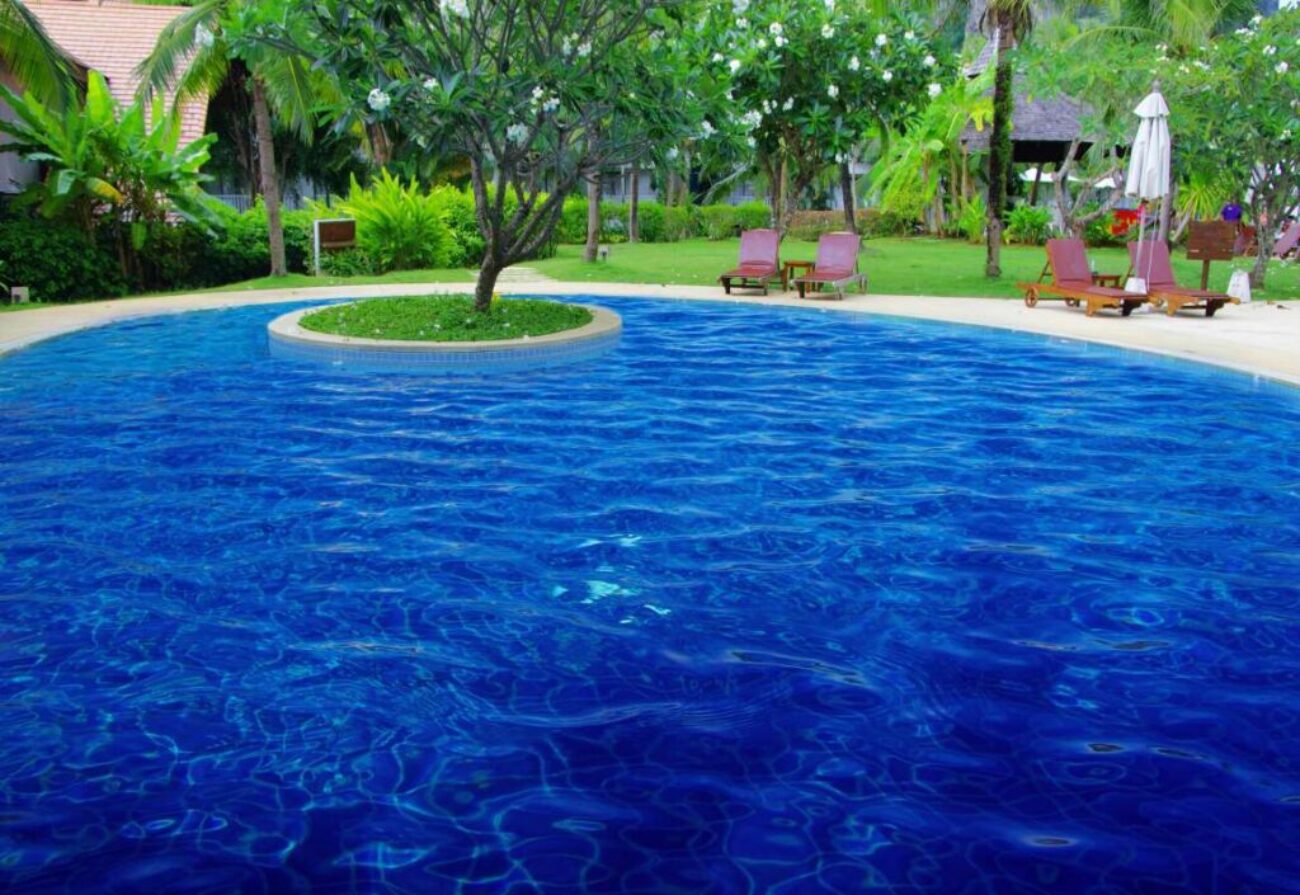
Discover how different pool shapes impact workload and efficiency, influencing your pool maintenance strategy and overall enjoyment.
Why Certain Pool Shapes Increase or Reduce Workload
The shape of a swimming pool can significantly affect not just its aesthetic appeal but also the workload associated with its maintenance. Understanding how different pool shapes influence cleaning routines, chemical distribution, and overall upkeep is crucial for both pool owners and those considering entering the pool service business. In this blog post, we will explore the various pool shapes available, their unique characteristics, and how they impact the workload for pool maintenance professionals. Additionally, we’ll delve into practical applications of this knowledge, tips for prospective pool owners, and insights for those looking to purchase established pool routes.
Understanding Pool Shapes: A Brief Overview
- Rectangular pools are among the most common and straightforward designs. Their uniformity makes them easy to cover and clean, as the corners are predictable and cleaning equipment is designed to navigate these shapes effectively. They also facilitate the even distribution of chemicals, leading to better water quality management.
- On the other hand, freeform pools, characterized by their organic shapes and curves, can be visually striking but may present challenges. The irregular surfaces might require specialized cleaning tools to reach all areas, increasing the workload for maintenance personnel. Additionally, the unique contours of freeform pools can sometimes inhibit optimal water circulation, leading to potential dead spots where debris accumulates.
- Moreover, infinity or vanishing edge pools create a beautiful illusion but may demand more upkeep. The design often requires specialized filtration systems to maintain water levels and clarity, contributing to increased operational complexity and workload.
The Impact of Pool Depth and Size on Maintenance
- The depth of a pool also plays a critical role in determining maintenance workload. Shallow pools tend to be easier to manage as they require less chemical treatment and cleaning compared to deeper pools, which may need specialized equipment to maintain their cleanliness and water quality. For instance, deep areas often collect debris that is harder to reach and may require the use of longer poles and specialized vacuums.
- Size is another important factor. Larger pools naturally take more time and resources to maintain due to their volume. This can significantly influence the efficiency of pool service businesses. For those considering entering the pool service industry, understanding the size and depth of the pools in the area can help assess the potential workload involved in maintaining them.
- Additionally, larger pools might benefit from automated cleaning systems, which can help reduce manual labor time. However, the initial investment in such technology can be more significant, leading potential pool service owners to weigh the pros and cons of servicing larger pools versus smaller ones.
Circulation and Filtration: The Role of Shape in Maintenance Efficiency
- Effective circulation and filtration are essential for maintaining clean pool water. Pool shape can affect how water flows through the system, which in turn impacts cleaning efficiency. Rectangular pools typically enable straightforward water flow, making filtration more efficient. Conversely, pools with complex shapes or multiple angles can create circulation challenges, leading to areas where debris might gather and require more frequent cleaning.
- For pool service professionals, understanding circulation patterns based on pool shape can guide them in optimizing maintenance routines. For example, they might recommend adding return jets or adjusting existing ones to enhance water flow and minimize work in specific problem areas.
- Furthermore, incorporating features such as skimmers and drains strategically can make a significant difference in reducing workload. Educating pool owners about these options can lead to improved satisfaction and reduced time spent on maintenance.
The Importance of Choosing the Right Pool Design
- When considering a pool for residential properties, it is vital to weigh the different shapes and their implications for maintenance. A pool that is aesthetically pleasing might also be practical in terms of upkeep. Buyers should understand what they are getting into and how it aligns with their lifestyle and maintenance preferences.
- For those looking to buy pool routes, understanding the layouts of pools in their service area can be crucial. Pools with simpler shapes can lead to quicker service times, allowing professionals the opportunity to handle more clients and maximize their income. Conversely, a route filled with complex, high-maintenance pools may require more time and resources, which could impact profitability.
- Those interested in expanding their pool service businesses should consider acquiring pools with established customer bases that have simple shapes, allowing for effortless integration and immediate revenue generation. The ability to manage a diverse portfolio of pool shapes effectively can also be a significant competitive advantage.
Real-World Applications: Best Practices for Pool Maintenance
- Understanding the correlation between pool shape and maintenance workload can lead to better practices in the field. For instance, when conducting routine maintenance, professionals should prioritize their services based on the pool shape and its unique requirements. This might mean spending more time on complex-shaped pools during weekly maintenance while performing quicker checks on rectangular pools.
- Additionally, training sessions for staff should include discussions on how to tackle different pool shapes effectively. Sharing insights about specific cleaning tools and techniques can help improve efficiency and reduce wear and tear on equipment.
- Furthermore, providing clients with tailored maintenance schedules based on their pool’s shape can enhance their experience and lead to higher customer satisfaction. By emphasizing the importance of regular maintenance for different pool designs, service professionals can foster long-term relationships with clients.
Future Trends: Innovations in Pool Design and Maintenance
- The pool industry is witnessing a trend toward more innovative designs that blend aesthetics with functionality. For instance, pools that incorporate technology into their systems can enhance maintenance efficiency while providing stunning visual features. These innovations can include automated cleaning systems, smart filtration technology, and energy-efficient heating solutions, which not only reduce workload but also appeal to environmentally conscious consumers.
- As technology continues to evolve, pool service professionals must stay informed about new tools and techniques that can streamline their operations. Regular training on the latest equipment and software can empower businesses to adapt and thrive in a competitive market.
- Moreover, understanding the evolving preferences of pool owners can provide a competitive edge. As clients become more knowledgeable about maintenance requirements, pool service companies that offer transparent insights into how shape influences workload will stand out in the marketplace.
Conclusion
- In conclusion, the shape of a pool has far-reaching implications for maintenance workload and efficiency. By understanding the unique characteristics associated with different designs, pool service professionals can optimize their operations to better serve their clients. Whether you are a pool owner or considering a career in the pool service industry, recognizing how shape impacts workload can lead to more informed decisions.
- As you explore options available for pool ownership or service routes, consider the insights shared in this post. Companies such as Tower Business Brokers can assist you in finding the right pool routes for sale, tailored to fit your business goals.
- For those ready to jump into the pool maintenance industry, contact us today to learn more about how to maximize your investment and efficiency in this thriving market.