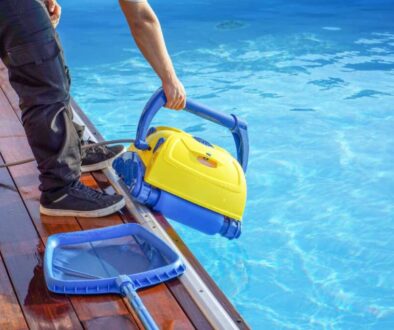
Why Buyers Should Understand Local Water Hardness Trends
Understanding local water hardness trends is essential for homebuyers in areas where water quality directly impacts household appliances and plumbing. This blog post will delve into why it’s crucial for buyers to research water hardness in their locality, how it affects both short-term and long-term living conditions, and the implications for maintenance and costs associated with hard water.
Why Buyers Should Understand Local Water Hardness Trends
Water hardness is a significant factor that can influence not only the quality of drinking water but also the longevity of home appliances, plumbing systems, and even the comfort of daily living. This blog post will explore the implications of water hardness, how it varies by region, and why prospective homebuyers should pay attention to this often-overlooked aspect of home ownership. From understanding its impact on water quality to learning how to mitigate potential issues, we’ll provide a comprehensive overview for buyers looking to make informed decisions.
Introduction
When searching for a new home, many buyers focus on location, price, and aesthetics, but a critical element often gets overlooked: water hardness. Water hardness refers to the concentration of calcium and magnesium in the water supply. In areas with hard water, the high mineral content can lead to various issues, including scale buildup in pipes, reduced efficiency of appliances, and even skin irritations. Understanding local water hardness trends is vital for making informed decisions about property investment, maintenance needs, and overall quality of life. This article will discuss the importance of knowing about local water hardness, how it affects home appliances and plumbing, and strategies for handling hard water issues effectively.
Understanding Water Hardness
Water hardness is typically classified into soft, moderately hard, hard, and very hard categories. This classification helps in determining the appropriate water treatment options. According to the U.S. Geological Survey, water is considered:
- Soft: 0-60 mg/L
- Moderately hard: 61-120 mg/L
- Hard: 121-180 mg/L
- Very hard: Over 180 mg/L
The most common causes of hard water are the natural breakdown of minerals in the soil and rocks through which the water flows. Regions with limestone, chalk, and gypsum are particularly susceptible to higher levels of hardness. For homebuyers, knowing the water hardness levels in their potential new homes can lead to cost savings in maintenance and repairs while ensuring a high quality of life.
Recent studies suggest that hard water can contribute to a significant reduction in appliance efficiency. For example, water heaters operating on hard water require more energy to heat the same volume of water, leading to increased utility bills. In fact, the U.S. Department of Energy estimates that hard water can increase energy consumption by up to 30% in heating water alone. Therefore, understanding local trends can help buyers anticipate these costs and make informed decisions regarding water treatment systems.
Impact on Home Appliances and Plumbing
The effects of hard water on home appliances and plumbing can be substantial and often lead to costly repairs or replacements. Scale buildup, often resultant from hard water, can accumulate in pipes and appliances over time, decreasing their efficiency and leading to premature failures. Here are some key implications for homeowners:
- Water Heaters: Hard water can cause scaling that reduces the efficiency of water heaters, potentially leading to higher energy bills and a shortened lifespan of the unit. Regular maintenance may be necessary to mitigate these effects, which can add to overall homeownership costs.
- Dishwashers and Washing Machines: Residue from hard water can leave spots on dishes and affect the cleaning efficiency of washing machines. Buyers should consider investing in water softeners or descaling agents to maintain these appliances’ longevity and performance.
- Plumbing System: Scale buildup can lead to clogs and pressure issues within a home’s plumbing system. This may necessitate expensive plumbing repairs or even the replacement of pipes in extreme cases.
- Skin and Hair Health: Hard water may lead to skin irritations or dryness and can affect hair quality, making it feel rough or dull. Buyers concerned about health and comfort may want to look into filters or softening systems.
Understanding these impacts can help prospective buyers make informed choices regarding their maintenance strategies and budget for potential costs associated with hard water. Additionally, knowledge of local water quality trends can provide leverage in negotiations during the home-buying process.
Why Local Trends Matter
Regional variations in water hardness can greatly impact homebuyers’ decisions and expenses. Buyers should be aware that:
- Geographic Differences: Water hardness can vary considerably even within short distances. For instance, in cities like Austin, Texas, and Miami, Florida, the water hardness levels differ significantly due to the underlying geology and water sourcing methods. Buyers should research local water quality reports to understand what to expect in their area.
- Seasonal Changes: Water hardness levels can fluctuate with seasonal changes, especially in areas that rely on groundwater sources. Heavy rainfall might dilute mineral concentrations, while drought might concentrate them. Prospective buyers should inquire about seasonal changes and their implications.
- Potential Solutions: Local trends can inform buyers about the necessary adjustments or systems they may need to install, such as water softeners or filtration systems. In regions with notoriously hard water, it might be common practice to install specific systems to counteract the effects.
By paying attention to local water hardness trends, buyers can plan more effectively for appliance purchases, maintenance, and potential renovations. This research can also provide insights into community resources and solutions available for residents facing similar challenges.
Mitigation Strategies for Hard Water Issues
While hard water presents challenges, there are effective strategies and technologies available for homeowners to manage its impact. Here are some of the best practices:
- Water Softeners: These devices can significantly reduce hardness by replacing hard minerals with sodium or potassium. Many homeowners have found that investing in a water softener not only improves water quality but also extends the lifespan of plumbing and appliances.
- Regular Maintenance: Homeowners should schedule routine maintenance of their appliances to check for scale buildup, especially in water heaters and dishwashers. This proactive approach can help prevent costly repairs in the long run.
- Descaling Agents: For existing buildup, various descaling agents can help dissolve mineral deposits in appliances and plumbing. Regular use of these products can maintain efficiency and prolong appliance life.
- Educate Yourself: Homebuyers should familiarize themselves with local water quality reports and trends. Understanding the specifics of local water hardness can guide decisions on appliances, plumbing materials, and treatments.
- Community Resources: Many communities have resources and local businesses focused on addressing water quality issues. Engaging local experts can provide tailored solutions and insights into managing hard water effectively.
These strategies can mitigate the effects of hard water and ensure that homeowners maintain a comfortable and efficient living environment.
Conclusion
Understanding local water hardness trends is crucial for homebuyers as it can profoundly impact their overall living experience and financial health. By being aware of water hardness levels, prospective homeowners can take proactive measures to mitigate problems associated with hard water, including investing in appropriate filtration systems, scheduling regular maintenance, and anticipating future costs related to appliance care.
In a market where every detail matters, knowledge is power. Buyers are encouraged to research local water quality and consult professionals to make informed decisions. Given the potential impact hard water can have on both the home and personal health, it’s clear that water hardness should not be overlooked.
For those looking to explore opportunities in the pool service or maintenance industry, understanding local water conditions can also present unique business opportunities. Buyers interested in purchasing pool routes in regions with varying water hardness levels can benefit from insights into how these trends affect pool maintenance and customer needs. For more information, visit Pool Routes for Sale and start your journey toward ownership today.