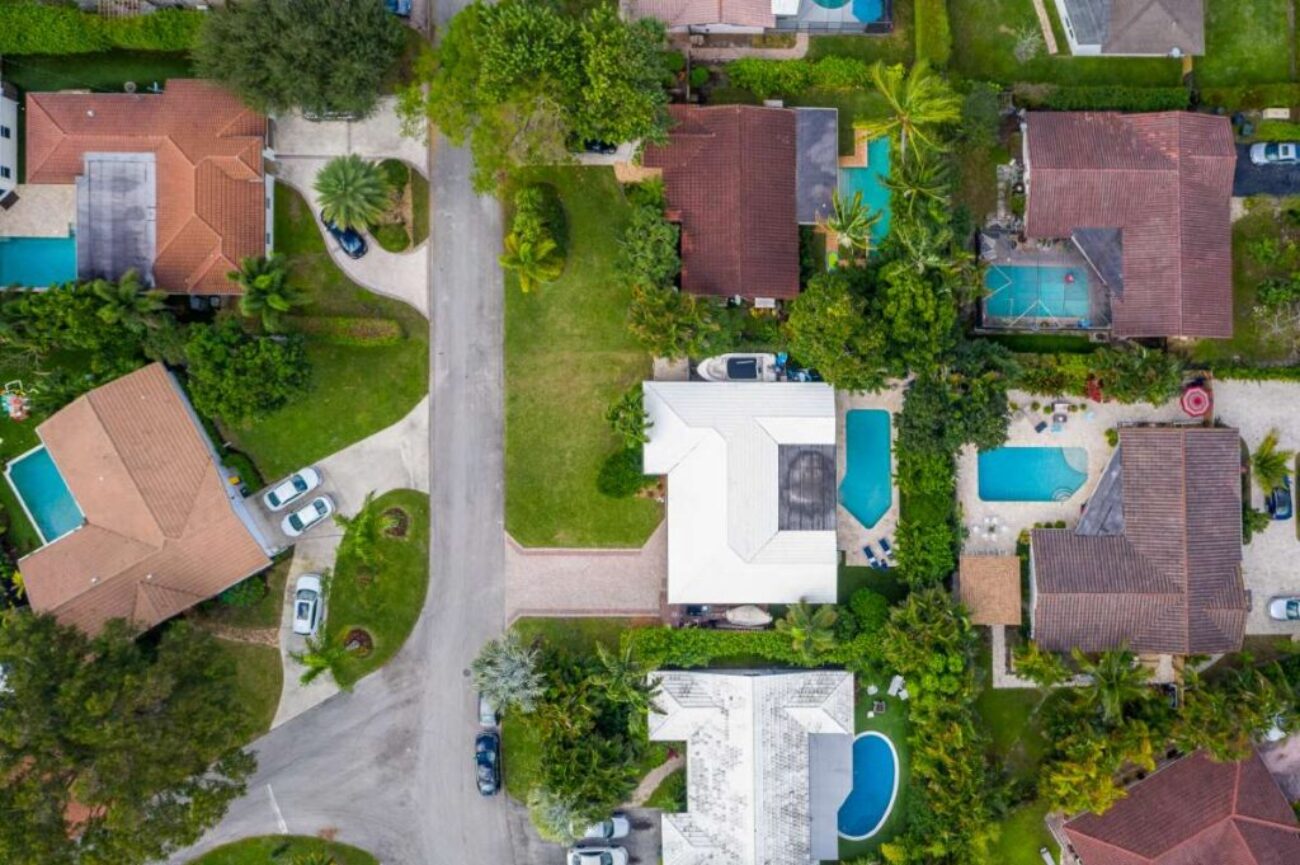
Why Buyer Success Often Depends on Neighborhood Layout
The layout of a neighborhood can significantly influence buyer success in real estate. It goes beyond aesthetics, encompassing factors such as accessibility, community amenities, and overall livability. This blog post delves into how neighborhood design affects property values and buyer satisfaction, offering insights into what potential homeowners should consider. We’ll explore how elements like walkability, safety, and proximity to schools and businesses can enhance the attractiveness of a property and contribute to its long-term value.
Introduction
The importance of neighborhood layout in real estate cannot be overstated. As buyers embark on their home-buying journeys, the characteristics of the community in which a property is situated can play a pivotal role in their decision-making process. In a competitive housing market, understanding the nuances of neighborhood layouts can provide buyers with a distinct advantage. This article will discuss key aspects of neighborhood design that contribute to buyer success, such as walkability, accessibility to amenities, safety, and community engagement.
Understanding Walkability and Its Impact on Buyer Success
Walkability refers to how friendly an area is to walking. A neighborhood designed for pedestrians rather than cars often attracts more buyers due to the convenience and lifestyle it offers. Research has shown that neighborhoods with high walkability scores tend to have higher property values. For instance, homes in walkable areas often see appreciation rates that surpass those in car-dependent neighborhoods.
Take a city like Portland, Oregon, known for its commitment to walkable urban design. Neighborhoods such as the Pearl District offer residents easy access to parks, shops, and restaurants, making it a desirable place to live. Buyers are more likely to choose homes in such vibrant areas because they provide not only convenience but also foster a sense of community and engagement among residents.
Moreover, walkability encourages healthier lifestyles. With easy access to local amenities, residents are more likely to engage in physical activities, such as walking or biking, thus enhancing their overall quality of life. This emphasis on health and well-being is becoming increasingly important in home-buying decisions.
The Role of Community Amenities in Neighborhood Appeal
A neighborhood’s layout should ideally include a mix of community amenities that cater to residents’ needs. Access to parks, schools, shopping centers, and recreational facilities can significantly enhance the attractiveness of a community. Neighborhoods that thoughtfully incorporate these features into their design often see higher buyer interest and retention.
For example, consider communities in suburban areas that feature well-planned parks and recreational spaces. Such amenities not only provide residents with places to relax and socialize but also contribute to a sense of belonging. A neighborhood like Celebration, Florida, is an excellent example, where the layout promotes easy access to green spaces and community events, drawing families and individuals seeking a vibrant lifestyle.
Furthermore, the presence of reputable schools can drive up demand for homes in particular neighborhoods. Families prioritize access to quality education, and neighborhoods with high-performing schools often witness increased property values. This connection between school districts and real estate demonstrates how essential community amenities are in the overall success of a neighborhood.
Safety and Its Correlation with Neighborhood Layout
Safety is a primary concern for homebuyers, and it heavily influences their perceptions of a neighborhood. Layout elements like street design, lighting, and visibility can significantly impact the perceived safety of a community. Well-lit streets and open sightlines can deter crime and foster a sense of security among residents.
For instance, neighborhoods designed with Crime Prevention Through Environmental Design (CPTED) principles in mind create an environment where potential criminal activity is less likely. This can include features such as natural surveillance through landscaping, defined public spaces, and community engagement initiatives. Cities like San Diego, California, have implemented such designs successfully, resulting in lower crime rates and heightened buyer interest.
Additionally, neighborhoods with active community watch programs or strong local engagement often report increased safety. Buyers are more likely to choose homes in areas where they feel secure, which further emphasizes the importance of safety in neighborhood layouts.
Community Engagement and Its Impact on Buyer Satisfaction
Community engagement is a critical factor that often correlates with a neighborhood’s success. Buyers are not just looking for a property; they seek a sense of community and belonging. Neighborhood designs that encourage interaction among residents, such as community gardens, public squares, and local events, can significantly enhance buyer satisfaction.
Take the example of neighborhoods that host regular farmers’ markets or community festivals. These events not only bring residents together but also foster relationships and promote a vibrant community spirit. Areas like Austin, Texas, are renowned for their community-oriented layouts, where local businesses thrive, and residents actively participate in neighborhood activities.
Moreover, engaged communities often have better communication channels, allowing residents to voice concerns and work together towards common goals. This sense of ownership and involvement can lead to greater happiness among residents, which in turn can enhance property values.
The Importance of Accessibility to Transportation
In today’s fast-paced world, accessibility to public transportation is a significant factor in buyer decisions. Neighborhoods that are well-connected to public transit systems provide residents with convenient alternatives to driving, making them highly desirable. This is particularly relevant in urban areas where traffic congestion is a concern.
Cities like New York City exemplify neighborhoods with excellent public transportation access. Areas near subway stations or bus routes are often in high demand, as they offer residents the flexibility to commute easily without relying on a personal vehicle. Homes located in such neighborhoods can command premium prices due to their accessibility.
Furthermore, neighborhoods that prioritize sustainable transport options, like bike paths and pedestrian-friendly walkways, can attract environmentally-conscious buyers. This trend reflects a growing desire for sustainable living, making such neighborhoods increasingly appealing.
Comparative Analysis of Neighborhood Layouts: Urban vs. Suburban
When considering neighborhood layouts, it is essential to compare urban and suburban designs. Urban neighborhoods tend to prioritize density and mixed-use developments, fostering walkability and easy access to amenities. In contrast, suburban areas often emphasize larger lots, single-family homes, and open spaces.
Urban neighborhoods like those found in Chicago or San Francisco often have a vibrant atmosphere, with restaurants, shops, and cultural attractions within walking distance. This layout appeals to younger buyers and professionals seeking an active lifestyle. However, the higher density can lead to challenges such as noise and congestion.
On the other hand, suburban neighborhoods offer a quieter environment, suitable for families looking for spacious homes and good schools. Communities in Texas, such as Frisco, provide ample recreational space and family-friendly amenities, making them attractive to those prioritizing a suburban lifestyle.
Both layouts have their merits, and buyer preferences often depend on lifestyle choices. Understanding these differences can help potential buyers make informed decisions about the type of neighborhood that aligns with their values and needs.
Future Trends in Neighborhood Design
As society evolves, so do the expectations of homebuyers, leading to innovative trends in neighborhood design. Future neighborhoods are likely to focus more on sustainability, technology integration, and mixed-use developments.
For instance, the rise in remote work has shifted buyer preferences, leading to the emergence of neighborhoods that prioritize home office spaces and community co-working areas. Additionally, eco-friendly designs that incorporate green spaces, solar energy, and sustainable building materials are becoming more popular as buyers seek environmentally responsible living options.
Moreover, technological advancements are paving the way for smart neighborhoods equipped with high-speed internet, smart lighting, and safety features that appeal to tech-savvy buyers. These innovative approaches to neighborhood design are likely to shape the future of real estate, influencing buyer decisions and expectations.
Best Practices for Buyers Considering Neighborhood Layout
For prospective buyers, understanding the significance of neighborhood layout is crucial. Here are some best practices to consider:
- Research Walkability: Use walkability scores to evaluate neighborhoods. Websites and apps can provide insights into how pedestrian-friendly an area is.
- Assess Community Amenities: Consider the availability of essential services, recreational facilities, and schools. A well-rounded community can greatly enhance quality of life.
- Evaluate Safety: Investigate crime rates and safety features in the neighborhood. Local police department websites often have valuable information.
- Think About Connectivity: Analyze the transportation options available. Access to public transit can significantly impact daily commuting.
- Engage with the Community: Attend local events or forums to gauge community involvement and engagement. A strong community spirit can indicate a desirable neighborhood.
By following these practices, buyers can make informed decisions that align with their lifestyle and long-term objectives.
Conclusion
In conclusion, neighborhood layout is a crucial factor that can significantly influence buyer success in real estate. From walkability and accessibility to safety and community engagement, the design of a neighborhood plays a pivotal role in shaping the buyer experience. As market trends evolve, understanding the implications of these elements will empower buyers to make informed decisions.
It’s essential for potential homeowners to prioritize not only the physical attributes of a property but also the surrounding community. By considering factors such as amenities, safety, and future trends in neighborhood design, buyers can enhance their chances of finding a home that meets their needs and fosters long-term satisfaction.
If you’re interested in exploring neighborhood layouts and finding the right pool route for your business needs, contact us today to learn more about available options and opportunities in Florida and Texas.