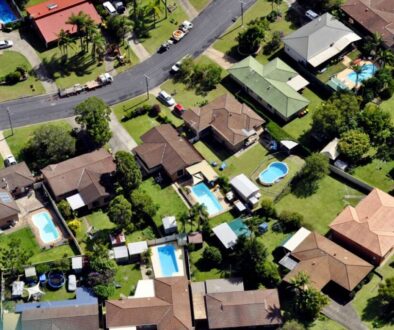
A comprehensive guide detailing how to assess the lifetime maintenance needs of pool routes, ensuring long-term profitability and efficient operations.
How to Evaluate the Lifetime Maintenance Needs of Route Pools
Evaluating the lifetime maintenance needs of route pools is crucial for anyone interested in the pool service industry. Understanding these needs not only helps in maintaining equipment and customer satisfaction but also plays a significant role in preserving the value of a pool route investment over time. This blog post will delve into the essential components of evaluating maintenance needs, provide insights into effective strategies, and explore the implications of these assessments for the long-term success of your pool services.
Introduction
The pool maintenance industry is a booming sector with significant opportunities for entrepreneurs and seasoned professionals alike. As demand for pool cleaning and maintenance continues to grow, understanding how to evaluate the lifetime maintenance needs of route pools becomes paramount. This evaluation is not just about maintaining equipment; it also encompasses customer service, scheduling, and overall operational efficiency. Throughout this article, we will discuss how to assess these needs, the factors that influence maintenance requirements, and best practices for ensuring smooth operations.
Assessing the Equipment’s Condition
One of the first steps in evaluating the lifetime maintenance needs of route pools is to assess the condition of the equipment used in servicing pools. This includes pumps, filters, vacuums, and chemical dispensers. Regular inspections should be conducted to identify any signs of wear and tear.
For example, an aging pump may not only be less efficient but could also lead to increased energy costs. By replacing or repairing such equipment proactively, you can avoid costly breakdowns that could disrupt service to your customers. Additionally, keeping a maintenance log for each piece of equipment can help track performance over time and provide insights into when replacements may be necessary.
Data from industry studies indicate that businesses that engage in regular maintenance of their equipment see a reduction in failure rates by up to 30%. This statistic highlights the importance of maintaining a proactive approach to equipment upkeep to ensure longevity and reliability in service delivery.
Understanding Customer Needs and Preferences
Another critical aspect of evaluating lifetime maintenance needs is understanding the specific requirements and preferences of your customer base. Each pool is unique, and the maintenance needs can vary greatly depending on factors such as pool size, type, and even geographical location.
Conducting customer surveys or holding meetings to discuss their expectations can provide valuable insights. For instance, a customer might prefer a particular chemical treatment or have specific concerns about environmental impacts. By tailoring your services to meet their needs, you can improve customer satisfaction and retention.
Moreover, establishing a solid communication channel with customers can lead to an ongoing dialogue about their pool maintenance preferences, allowing you to adjust your services accordingly. This approach not only enhances customer loyalty but also provides opportunities for upselling additional services, thereby increasing revenue potential.
Scheduling and Route Optimization
Effective scheduling and route optimization are crucial for maintaining efficiency in pool service operations. Assessing your current scheduling system can reveal areas for improvement, allowing you to maximize both time and resources. Often, route optimization software can assist in organizing service visits to minimize travel time and decrease overall operational costs.
For instance, grouping clients geographically can reduce fuel consumption and time spent on the road, resulting in lower operational costs. Implementing such strategies can significantly enhance productivity and profitability.
Research shows that companies that optimize their service routes can achieve a 20% increase in operational efficiency. By investing in route optimization technology or training your staff on best practices, you can ensure that your pool service runs smoothly and meets customer expectations.
Training and Development of Staff
The maintenance needs of pool routes also hinge significantly on the skills and training of the staff. Ensuring that your employees are well-trained not only enhances service quality but also minimizes potential errors that could lead to equipment damage or customer dissatisfaction.
Regular training sessions should focus on the latest pool maintenance techniques, safety procedures, and customer service skills. By fostering a culture of continuous learning and development, you can equip your team with the knowledge they need to handle various challenges effectively.
Moreover, staff turnover can have a direct impact on the maintenance needs of your routes. High turnover rates can lead to inconsistencies in service quality and operational knowledge. By investing in employee retention strategies, you can ensure a stable workforce that understands the specific maintenance needs of your customers.
Financial Planning and Budgeting for Maintenance
Financial planning is a fundamental aspect of evaluating the lifetime maintenance needs of pool routes. Creating a budget that accounts for both routine maintenance and unexpected repairs is essential for sustaining operations. Regular maintenance costs should be projected based on historical data, while a reserve fund for emergency repairs should also be established.
Consider working with a financial advisor who specializes in the pool service industry to create a financial plan that accommodates both short-term and long-term maintenance expenses. This approach not only ensures that you are prepared for the unexpected but also contributes to the overall stability of your business.
Companies that maintain a detailed financial strategy typically report greater success in managing their operational costs, leading to higher profit margins. By prioritizing financial planning, you can set your business up for sustained growth and stability in the competitive pool maintenance market.
Utilizing Technology for Maintenance Management
In the modern pool maintenance landscape, technology plays an integral role in evaluating and managing maintenance needs. Tools such as maintenance management software can streamline operations, allowing for real-time tracking of equipment performance, scheduling, and customer interactions.
For example, automated reminders for equipment servicing can prevent costly delays and ensure that maintenance is performed on schedule. Additionally, using mobile applications can help technicians access customer histories, service records, and maintenance checklists while on the go, enhancing their efficiency and service quality.
Data-driven decision-making is becoming increasingly important. By analyzing service trends and customer feedback, pool service providers can identify common maintenance issues or areas for improvement. Implementing a robust technology strategy can not only streamline operations but also provide insights that drive better decision-making for the future.
Evaluating Environmental Factors
The environmental factors surrounding the pools you service can significantly influence their maintenance needs. For instance, pools located in areas with high pollen counts may require more frequent cleaning, while pools in regions with high temperatures may need more rigorous chemical balancing to prevent algae growth.
Understanding local environmental conditions can help you tailor your services accordingly. Conducting periodic assessments of local weather patterns and environmental changes can provide valuable insights into how often certain maintenance tasks should be performed.
Additionally, being proactive in addressing these environmental factors not only enhances customer satisfaction but also positions your business as knowledgeable and responsive to local conditions. A well-informed pool service provider can effectively adjust maintenance schedules to align with environmental demands, ensuring optimal service delivery.
Conclusion
Evaluating the lifetime maintenance needs of route pools is a multifaceted process that requires careful consideration of equipment, customer preferences, scheduling, training, financial planning, technology, and environmental factors. By taking a comprehensive approach to maintenance evaluation, pool service providers can enhance their operational efficiency, customer satisfaction, and ultimately their profitability.
As the pool maintenance industry continues to grow, understanding these needs will be critical for long-term success. For those considering entering the pool service market, exploring Pool Routes for Sale can be a lucrative opportunity. Tower Business Brokers, Inc. is dedicated to simplifying the journey into pool route ownership, offering comprehensive training and support to ensure that you thrive in this vibrant industry. Contact us today to start your journey towards successful pool route ownership!